3rd Meeting of the New Genomic Techniques (NGTs) subgroup of Risk Assessment of Genetically Modified Organisms Network
Online 2026-10-01 to 2026-10-01
Online 2026-10-01 to 2026-10-01
Just last week, USDA’s Animal and Plant Health Inspection Service asked for public comments on yet another GMO. It wants input about a petition to deregulate a type of soybean, developed using genetic engineering to control certain lepidopteran pests.
Following a request from the European Commission, EFSA was asked to deliver a scientific opinion on the safety and efficacy of the feed additive consisting of l‐isoleucine produced by fermentation with Corynebacterium glutamicum CGMCC 32505 as a nutritional additive in feed or water for drinking for all animal species and categories. The production strain is genetically modified. None of the genetic modifications raised a safety concern. Viable cells or DNA of the production strain were not…
Online 2026-05-27 to 2026-05-27
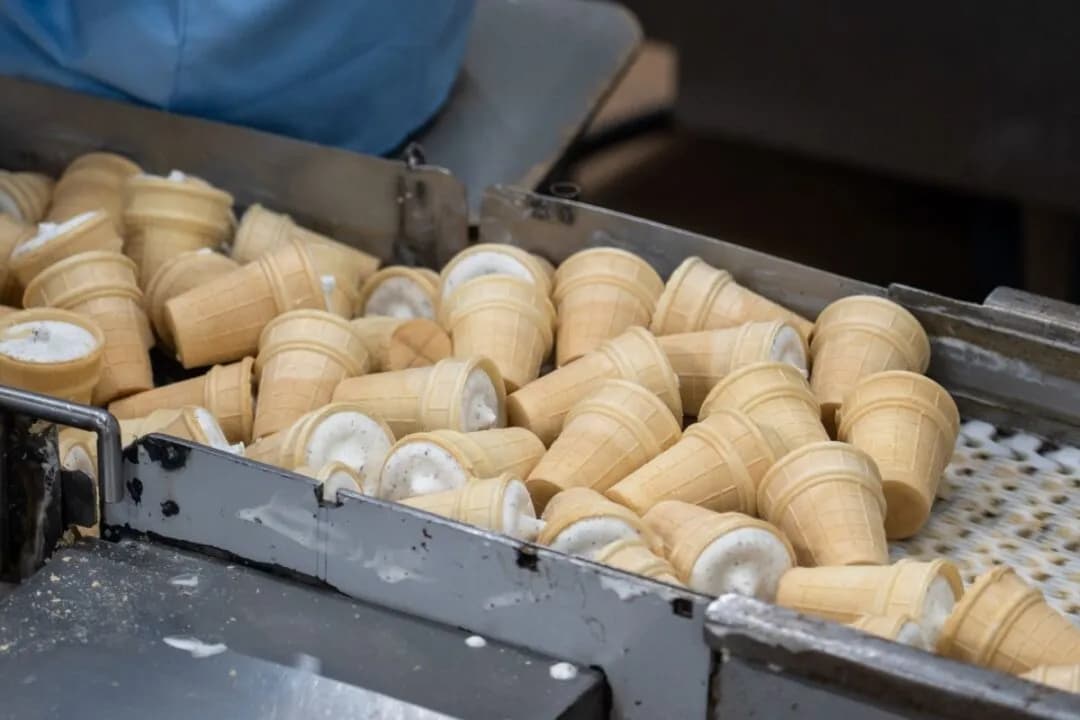
Мороженое проверяют по микробиологическим и физико-химическим показателям, а также на наличие остатков лекарственных препаратов, токсичных элементов, радионуклидов, ГМО, микотоксинов, пестицидов и меламина
Genetically modified RF3 Canola Quality (CQ) Brassica juncea was developed to confer tolerance to glufosinate‐based herbicides and to restore fertility in Barnase‐expressing plants. The RF3 event was originally developed in Brassica napus and has previously been assessed by EFSA in application EFSA‐GMO‐RX‐MS8‐RF3. The GMO Panel assessment of the molecular characterisation data and bioinformatics analyses did not raise issues that would require specific food and feed safety assessments.
At the request of the European Commission, EFSA assessed the 2024 post‐market environmental monitoring (PMEM) report on the cultivation of genetically modified maize MON 810, which expresses the Cry1Ab protein. Using a weight‐of‐evidence approach and considering information provided by the consent holder and the Competent Authorities of Portugal and Spain, EFSA concluded that the PMEM report provides no evidence of unexpected adverse effects on human and animal health, or on the environment…
Genetically modified soybean DAS‐44406‐6 × FG72 was developed by conventional crossing to combine two single events: DAS‐44406‐6 and FG72. The soybean DAS‐44406‐6 × FG72 expresses the AAD‐12, 2mEPSPS, PAT and HPPD W336 proteins to confer herbicide tolerance to 2,4‐D‐, glyphosate‐, glufosinate‐containing and HPPD‐inhibiting herbicide products, respectively. The GMO Panel previously assessed the two single soybean events and did not identify safety concerns. No new data on the single soybean…
Following a request from the European Commission, EFSA was asked to deliver a scientific opinion on the safety and efficacy of l‐leucine produced with a genetically modified strain of Corynebacterium glutamicum (KCCM 80421) when used as nutritional (amino acid) and/or sensory (flavouring compound) feed additive in feed and water for drinking for all animal species and categories. The l‐leucine manufactured by fermentation with C. glutamicum KCCM 80421 did not give rise to any safety concern…
Following a request from the European Commission, the EFSA Panel on Nutrition, Novel Foods and Food Allergens (NDA) was asked to deliver an opinion on lacto‐N‐triose II (LNTri II) as a novel food (NF) pursuant to Regulation (EU) 2015/2283. The NF is mainly composed of the human‐identical milk oligosaccharide (HiMO) LNTri II, but it also contains d‐glucose, d‐galactose, d‐lactose and lacto‐N‐triitol. The NF is produced by fermentation with a genetically modified strain (Kluyveromyces lactis DSM…
The food enzyme containing endo‐polygalacturonase (1,4‐α‐d‐galacturonan glycanohydrolase; EC 3.2.1.15) and pectinesterase (pectin pectylhydrolase; EC 3.1.1.11) activities is produced with the non‐genetically modified Aspergillus luchuensis strain AP2 903‐6 by Shin Nihon Chemical Co. Ltd. The food enzyme was considered free from viable cells of the production organism. It is intended to be used in eight food manufacturing processes.
The food enzyme pectinesterase (pectin pectylhydrolase; EC 3.1.1.11) is produced with the non‐genetically modified Aspergillus luchuensis strain AP2 903‐6 by Shin Nihon Chemical Co., Ltd. The food enzyme was considered free from viable cells of the production organism. It is intended to be used in three food manufacturing processes. Dietary exposure was estimated to be up to 0.551 mg total organic solids (TOS)/kg body weight (bw) per day in European populations.
The food enzyme cyclomaltodextrin glucanotransferase (1,4‐α‐D‐glucan 4‐α‐D‐[1,4‐α‐D‐glucano]‐transferase, EC 2.4.1.19) is produced with the genetically modified Escherichia coli K12 strain DSM 34229 by Wacker Chemie AG. The genetic modifications did not give rise to safety concerns. The food enzyme was considered free from viable cells of the production organism, but not of its recombinant DNA. It is intended to be used in the processing of sugars for the production of speciality carbohydrates (
The food enzyme containing arabinan endo‐1,5‐α‐l‐arabinanase (5‐α‐l‐arabinan 5‐α‐l‐arabinanohydrolase; EC 3.2.1.99) and endo‐polygalacturonase (1,4‐α‐d‐galacturonan glycanohydrolase; EC 3.2.1.15) activities is produced with the non‐genetically modified Aspergillus tubingensis strain PX22‐272 by Shin Nihon Chemical Co., Ltd. The food enzyme was considered free from viable cells of the production organism. It is intended to be used in seven food manufacturing processes.
The food enzyme endo‐polygalacturonase (1,4‐α‐d‐galacturonan glycanohydrolase; EC 3.2.1.15) is produced with the non‐genetically modified Aspergillus tubingensis strain SPG 10‐1199 by Shin Nihon Chemical Co., Ltd. The food enzyme was considered free from viable cells of the production organism. It is intended to be used in seven food manufacturing processes. Since residual amounts of food enzyme–total organic solids (TOS) are removed in one process, dietary exposure was calculated for the…
The food enzyme β‐fructofuranosidase (β‐D‐fructofuranoside fructohydrolase; EC 3.2.1.26) is produced with the genetically modified (GM) Trichoderma reesei strain AR‐996 by AB Enzymes. The safety of this food enzyme was evaluated previously, and it did not give rise to safety concerns when used in three food manufacturing processes. Subsequently, the applicant has requested to extend its use to include three additional processes and to amend the specifications for the food additive invertase (E…
В системе CIFER аккредитованы 173 российских завода по производству рапсового масла. Из них 23 предприятия (13%) уже лишились права поставок в Китай, еще 35 предприятий (20%) находятся под риском исключения из системы из-за несоблюдения требований
По итогам 2025 года в Китай было отгружено 5,7 млн тонн растительной продукции из РФ.
The food enzyme α‐amylase (4‐α‐d‐glucan glucanohydrolase; EC 3.2.1.1.) is produced with the genetically modified Bacillus licheniformis strain NZYM‐KE by Novozymes A/S. The safety of this food enzyme was evaluated previously, and it did not give rise to safety concerns when used in two food manufacturing processes. Subsequently, the applicant has requested to extend its use to include four additional processes and to extend the range of raw materials in one process.
The food enzyme α‐amylase (4‐α‐d‐glucan glucanohydrolase, EC 3.2.1.1) is produced with the genetically modified Aspergillus niger strain NZYM‐MC by Novozymes A/S. The safety of this food enzyme was evaluated previously, and it did not give rise to safety concerns when used in three food manufacturing processes. Subsequently, the applicant has requested to extend its use to include one additional process. In this assessment, EFSA updated the safety evaluation of this food enzyme when used in a…